School letters are written by busy people for busy people, and they come with a language of their own. If you've ever read a newsletter twice and still not been sure whether you need to do anything, this guide is for you.
Days when things are different
INSET day. A day when teachers are in school for training and pupils stay at home. Schools set their own, so they're usually listed with the term dates. In Scotland you'll see them called in-service days. They're easy to miss because nothing happens at school, which is exactly why they need to be in your calendar.
Half term. A week off in the middle of each term. Dates can differ between councils and between schools, even in the same town, so check your own school's list on its website or with your council (GOV.UK: school term and holiday dates).
Non-uniform day (sometimes "mufti day"). Children come in their own clothes, often in return for a small donation to a charity or the school. The letter usually says how much and what it's for.
Dress-up days. Book characters, Christmas jumpers, a colour for a charity. These letters often arrive a week or two before, and they're the ones most likely to need something bought or made.
Things you need to reply to
Reply slip or consent form. The tear-off part at the bottom, or a form on the school's app or website. Trips, photos and clubs often need one. Look for the words "by" or "no later than": that's your deadline.
Online payments. Many schools take money for trips, dinners and clubs through an online system rather than cash. The letter will name the system and the date to pay by. Paying and replying are often two separate things, so check whether the trip needs both.
Tests and checks in primary school
These are for England; Wales, Scotland and Northern Ireland have their own arrangements.
- Phonics screening check (Year 1): in June, your child reads 40 words out loud to a teacher, who tells you how they did and whether they need extra help with reading.
- Year 2: schools can choose whether to do tests. If they do, the school will tell you, and they're normally in May.
- Multiplication tables check (Year 4): at the end of Year 4, 25 questions on the times tables up to 12. There's no pass mark.
- National tests, often still called SATs (Year 6): English reading, grammar, punctuation and spelling, and maths. They're normally in May and take less than four hours in all.
The details are on GOV.UK: the national curriculum, key stages 1 and 2.
People and support
SENCo. The special educational needs coordinator: the teacher who organises support for children with special educational needs or disabilities. If you have concerns about your child's needs, they're a good person to talk to (GOV.UK: children with special educational needs and disabilities).
Wraparound care. Breakfast club before school and after-school clubs or care, run by the school or by another provider on site.
Parents' evening. A short appointment with your child's teacher, usually five to ten minutes. Booking is often first come, first served, so the booking date matters as much as the evening itself.
Turning the jargon into a plan
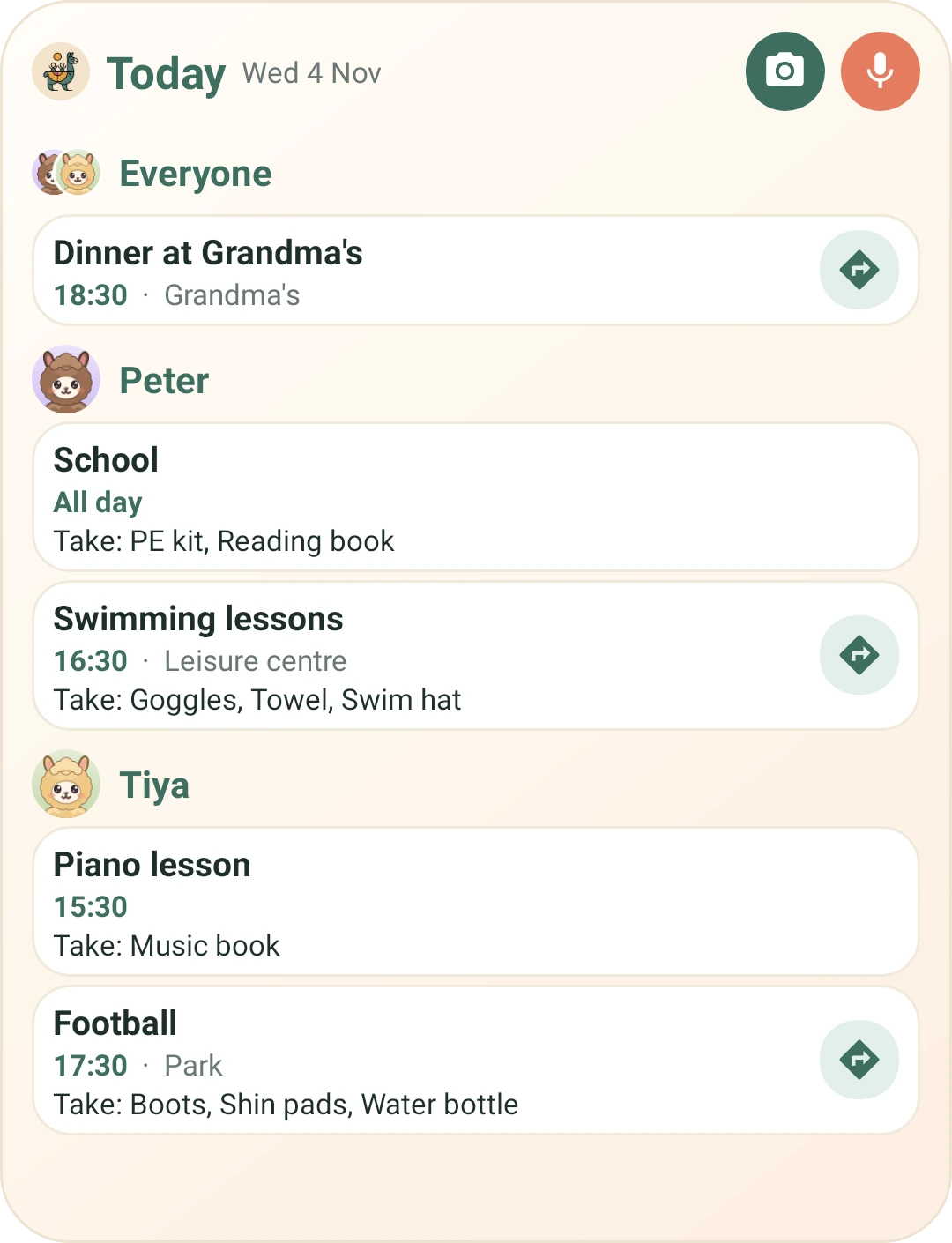
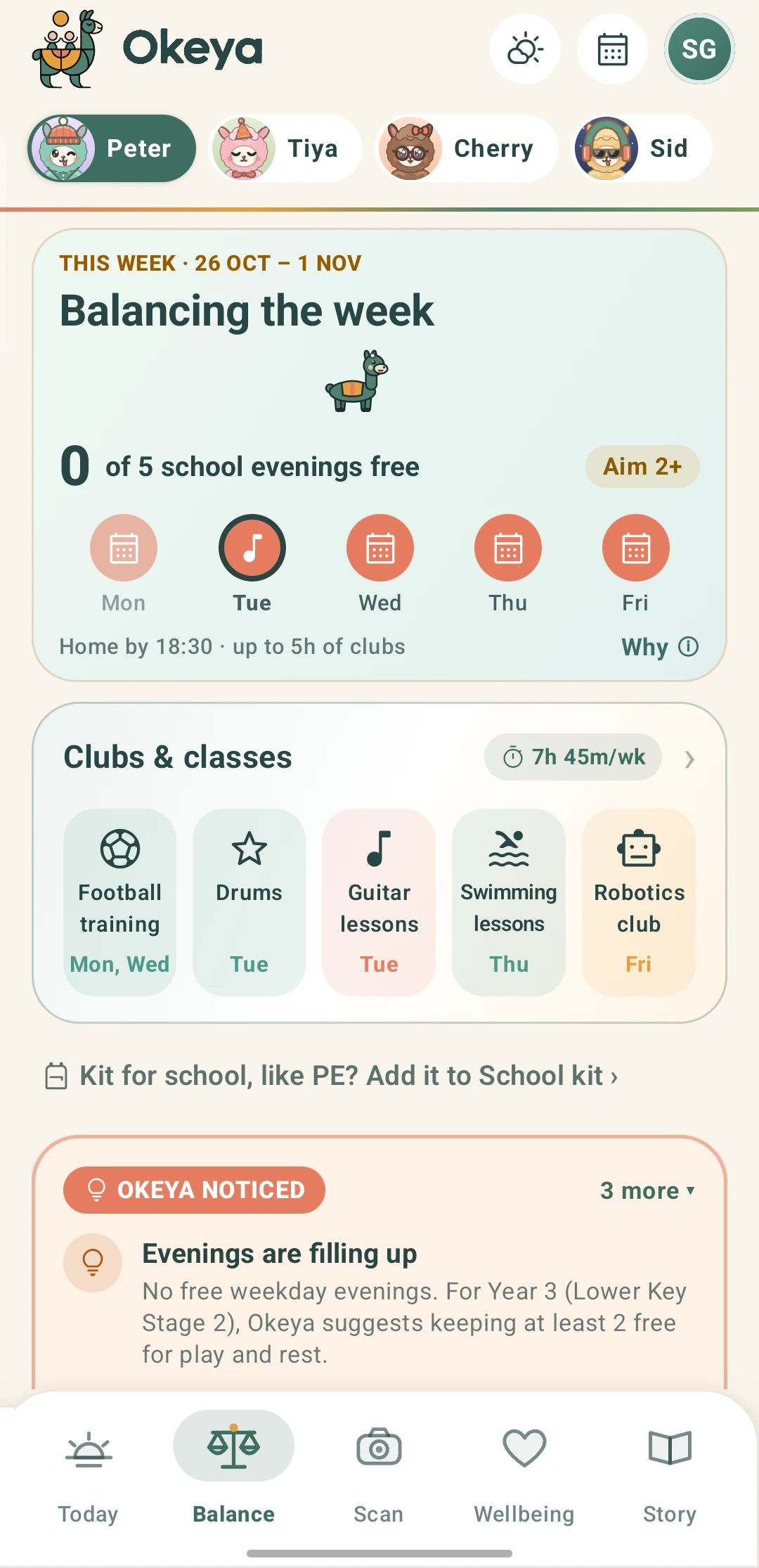
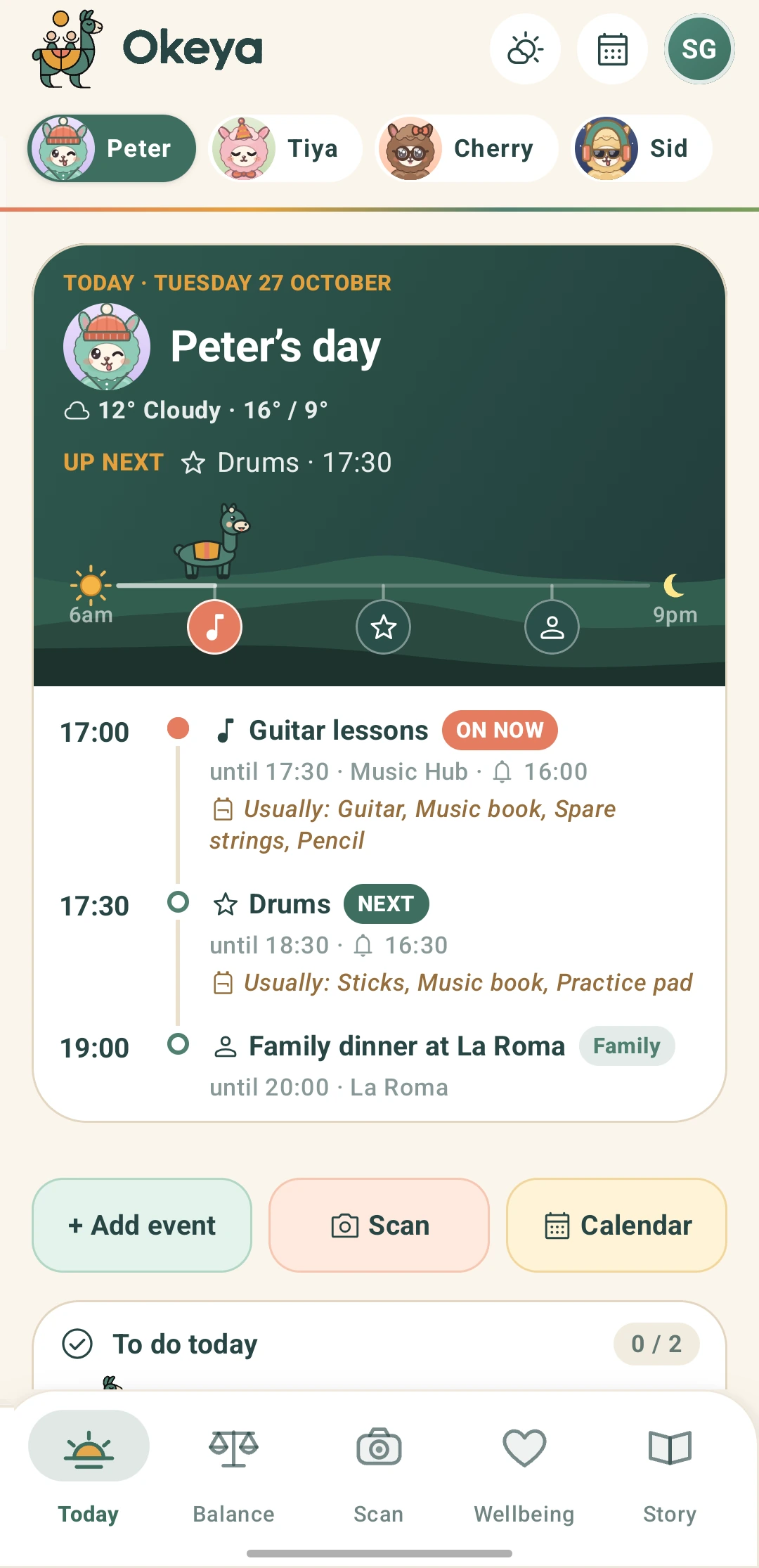
The words are only half the problem. The other half is that one letter can hold a trip, a payment, a kit list and a reply deadline, all on different dates.
Contains public sector information licensed under the Open Government Licence v3.0.